


What is Swiss-type lathe machining?
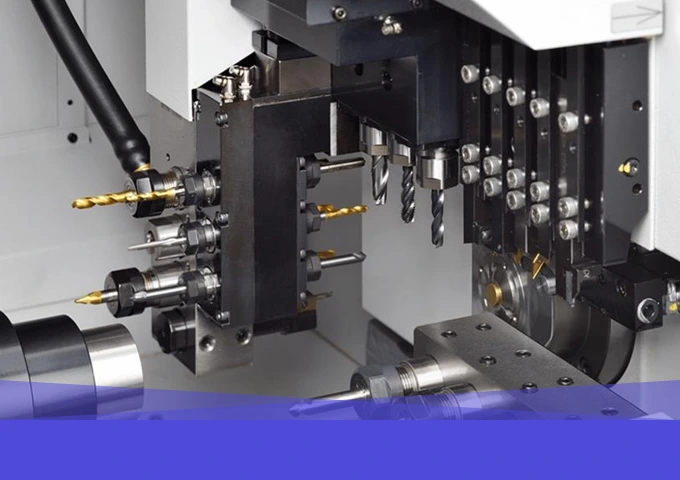
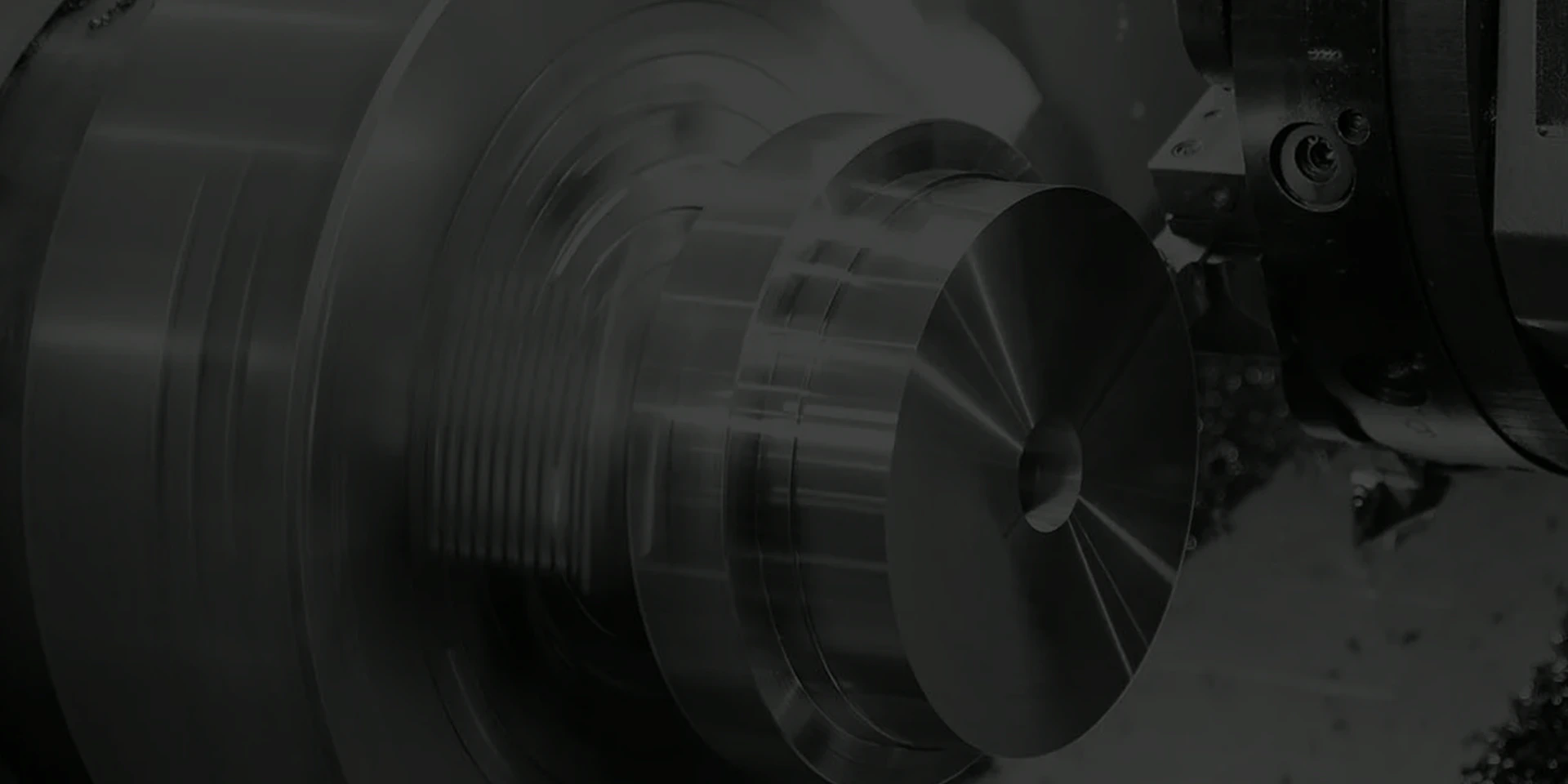
Swiss-type lathe machining is a subtractive manufacturing process that uses
multi-faceted cutting tools to machine a single piece of material, effectively performing multiple
turning and milling operations in a single pass.
Typically, Swiss-type lathe-machined parts and components are very small. Originally developed for
manufacturing parts for Swiss watches, this technology has been continuously improved over time for
producing parts and equipment for a wide range of applications.
Our machining technology offers exceptional precision, with micro-machining accuracy down to 1-4
micrometers. With decades of experience producing high-precision, finely machined parts for numerous
industries, the HLH Industry team is able to manufacture complex parts and components that meet the most
demanding specifications.
Applications of Swiss-type lathes
Swiss-type lathes have a wide range of applications and are an ideal choice for manufacturing parts in many industries.
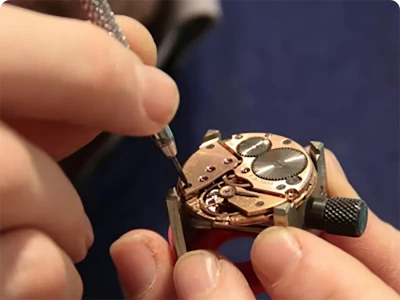
watchmaking industry
Swiss-type machining was originally developed for the watchmaking industry to manufacture miniature, high-precision mechanical parts.
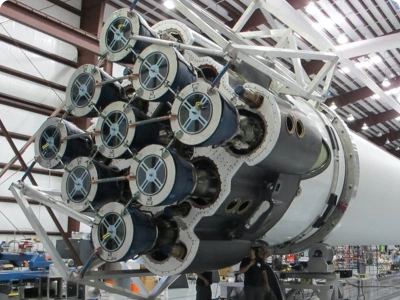
Aerospace
The aerospace industry requires lightweight, high-precision components with extremely tight tolerances during assembly. Swiss machine tools, renowned for machining small, complex parts, are ideally suited for this purpose.

Medical devices
Swiss-type lathes have greatly met the high standards of the medical field in terms of their ability to manufacture medical devices, surgical screws, and implants.
Working principle of Swiss-type lathe machining
What is the working principle of a Swiss-type lathe?
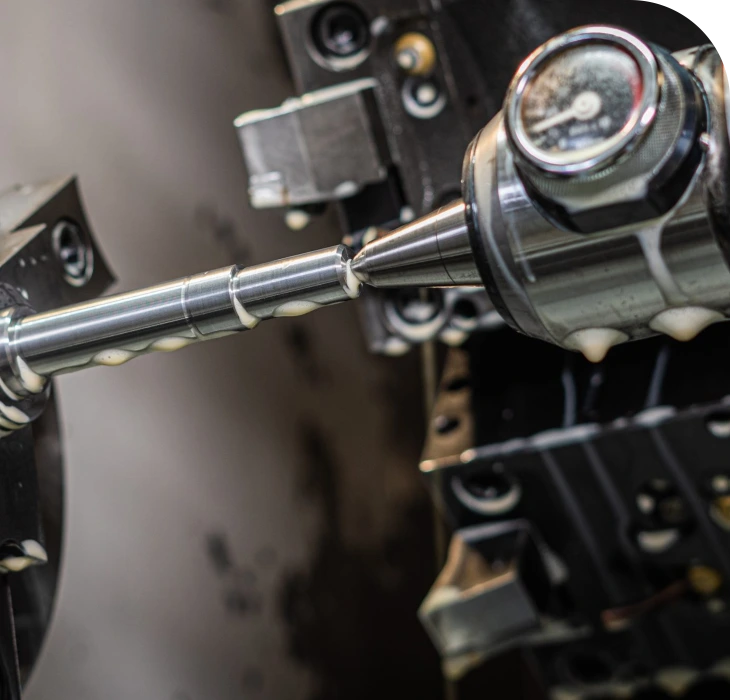
A Swiss-type lathe uses a sliding spindle mechanism. The workpiece moves along the Z-axis via a guide
bushing, while the cutting tool remains stationary. This structure minimizes the distance between the
tool and the workpiece, improves stability, and allows for simultaneous machining on multiple axes.
Key motion elements:
1. The sliding spindle head moves the bar stock axially.
2. The guide bushing supports the bar stock in a position very close to the cutting tool.
3. Multiple tool holders allow for transverse, longitudinal, and vertical machining in a single setup.
Our advantages in Swiss-type lathe machining


Complex parts production
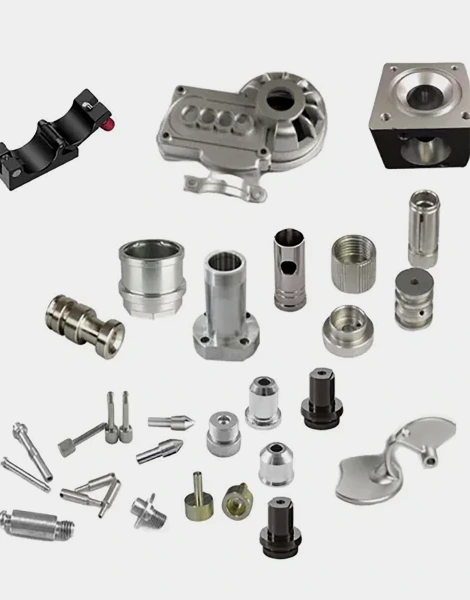
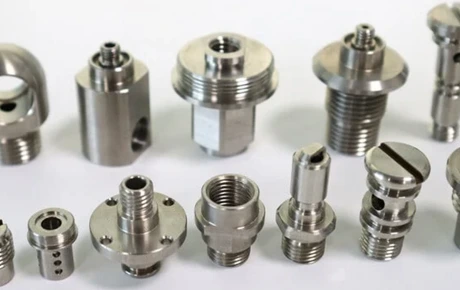
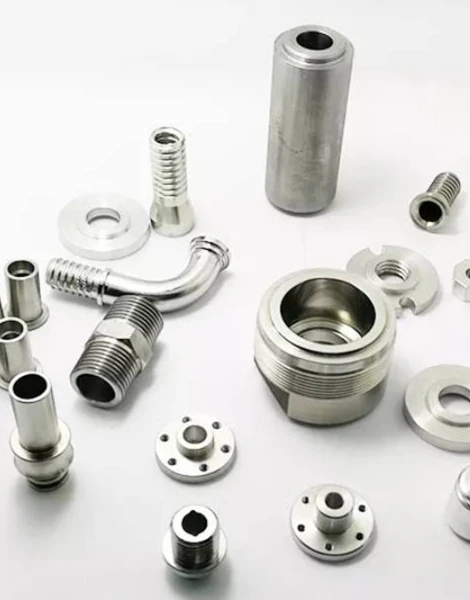
With its unique guide bushing system, Swiss-type lathes are more efficient at machining slender parts and intricate details than traditional lathes.

Automation
Swiss-type lathes offer a high degree of automation, enabling near-complete automation of the entire machining process. The combination of automatic bar feeding, a wide selection of cutting tools, multi-axis motion, and CAM programming allows for the precision machining of complex parts without human intervention.

High precision and accuracy
Swiss-type lathes are known for their extremely high precision and tight tolerances, which are often necessary for industries such as medical, aerospace, or complex electronic components.
Get a Quote
Please place file(s) for transfer in the same folder and ZIP or RAR before attaching. Larger attachments can take a few minutes to transfer depending on your local internet speed 🙂
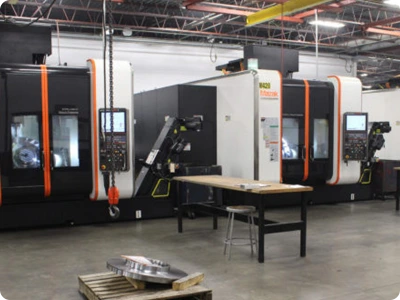
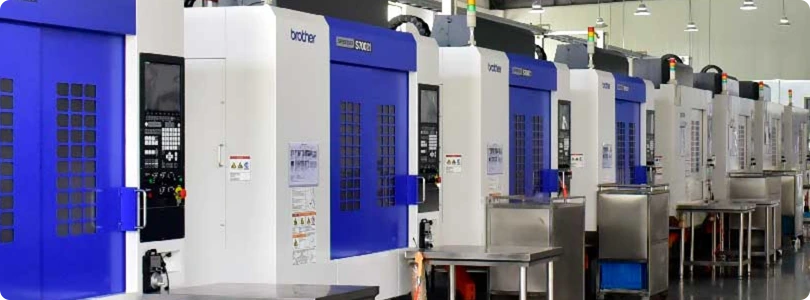
Factory display

Articles/Blogs

Powering Fusion Energy: The Role of Precision Manufacturing
The fusion device requires extremely precise components, which must be able to withstand extreme conditions, including high temperatures, intense radiation and strong magnetic fields. The precise processing and manufacturing of these key components are crucial for ensuring the reliability and efficiency of the system.


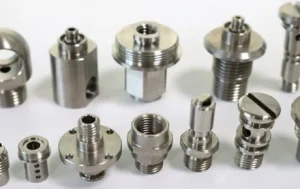
Unlocking Precision: Swiss-Type CNC Machining in China
Discover the transformative power of Swiss-type CNC machining in China, where precision manufacturing meets innovation to elevate your production standards.

Understanding A, B, and C Axes in Five-Axis CNC Machining
Unlock the precision of five-axis CNC machining by mastering the A, B, and C axes. Discover how they enhance versatility and efficiency in complex designs.