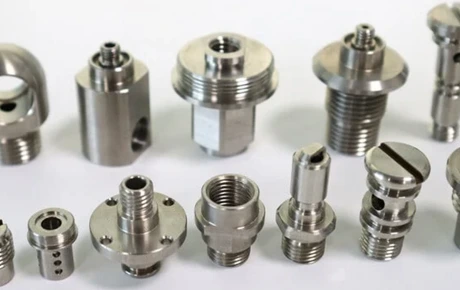
Discover the transformative power of Swiss-type CNC machining in China, where precision manufacturing meets innovation to elevate your production standards.
The Advantages of Swiss-Type CNC Machining
When it comes to precision manufacturing, Swiss-type CNC machining stands out as a game-changer. This technology offers unparalleled accuracy, making it ideal for producing small, intricate components that require tight tolerances. One of the primary advantages of Swiss-type CNC machining is its ability to maintain consistency across large production runs, ensuring that every piece meets the exact specifications without deviation.
Another significant benefit is the efficiency of the Swiss-type CNC machines. Unlike traditional CNC machines that hold the workpiece in a stationary position, Swiss-type machines use a sliding headstock that allows the material to be cut closer to the point of support. This reduces deflection and vibration, resulting in higher precision and better surface finishes. Moreover, the integration of multiple tools and operations in a single setup minimizes the need for multiple machines and reduces handling time, making the manufacturing process more streamlined and cost-effective.
Additionally, Swiss-type CNC machining is highly versatile, capable of working with a wide range of materials including metals, plastics, and composites. This flexibility makes it suitable for various applications, from medical devices and aerospace components to automotive parts and electronics. The ability to switch between different materials and complex geometries without sacrificing quality or efficiency is a testament to the advanced engineering behind Swiss-type CNC machines.

Key Industries Utilizing Swiss-Type CNC Machining in China
China has emerged as a global leader in manufacturing, and Swiss-type CNC machining plays a crucial role in several key industries within the country. One of the most prominent sectors is the medical device industry. The precision and reliability of Swiss-type CNC machining are essential for producing intricate components used in surgical instruments, implants, and diagnostic equipment. The ability to achieve micron-level tolerances ensures that these critical devices meet the stringent standards required for patient safety and efficacy.
The aerospace industry in China also heavily relies on Swiss-type CNC machining. The demand for lightweight, high-strength components that can withstand extreme conditions is ever-increasing. Swiss-type CNC machines are adept at producing complex parts with exacting tolerances, which are essential for maintaining the performance and safety of aircraft. From engine components to intricate avionics parts, the aerospace sector benefits immensely from the precision and efficiency of Swiss-type CNC machining.
Another industry that significantly benefits from Swiss-type CNC machining is the automotive sector. With the push towards electric vehicles and autonomous driving technologies, the need for precision components has never been greater. Swiss-type CNC machines are used to produce a variety of automotive parts, including sensors, connectors, and other intricate components that require high precision and consistency. The ability to produce these parts efficiently and at a lower cost gives Chinese manufacturers a competitive edge in the global automotive market.
Comparing Swiss-Type CNC Machining to Traditional CNC Machining
Understanding the differences between Swiss-type CNC machining and traditional CNC machining is crucial for making informed decisions about manufacturing processes. One of the primary distinctions lies in the holding mechanism of the workpiece. Traditional CNC machines hold the workpiece in a stationary position while the cutting tools move. In contrast, Swiss-type CNC machines use a sliding headstock to feed the material through a guide bushing, allowing for continuous support and minimizing deflection.
This difference in the holding mechanism translates to several advantages for Swiss-type CNC machining. The reduced deflection means that Swiss-type machines can achieve higher precision and better surface finishes, especially for long, slender parts. Additionally, the continuous support allows for more aggressive cutting, reducing cycle times and increasing productivity. This makes Swiss-type CNC machining particularly suitable for high-volume production of small, intricate components.
Another key difference is the integration of multiple tools and operations in Swiss-type CNC machines. Traditional CNC machines often require several setups and multiple machines to complete a complex part, leading to longer production times and higher costs. Swiss-type CNC machines, on the other hand, can perform numerous operations simultaneously within a single setup. This not only reduces handling time but also minimizes the risk of errors and inconsistencies, resulting in higher quality and more cost-effective production.
The Process of Swiss-Type CNC Machining
The process of Swiss-type CNC machining begins with the preparation of the raw material, which is typically loaded into the machine’s bar feeder. The bar feeder automatically feeds the material into the machine, where it is held by the guide bushing. The guide bushing provides continuous support to the material, allowing for precise and stable machining. This setup is particularly advantageous for long, slender parts that would otherwise be prone to deflection and vibration.
Once the material is in place, the sliding headstock moves the material through the machine while the cutting tools perform various operations. These operations can include turning, milling, drilling, and threading, all of which are carried out simultaneously within a single setup. The integration of multiple tools and operations in Swiss-type CNC machines allows for complex parts to be produced quickly and efficiently, with minimal handling and setup time.
As the machining process progresses, the machine continuously monitors and adjusts the cutting parameters to ensure optimal performance and precision. Advanced control systems and sensors provide real-time feedback, allowing for fine-tuning and adjustments as needed. Once the machining is complete, the finished part is ejected from the machine and inspected for quality. The entire process is highly automated, reducing the need for manual intervention and ensuring consistent, high-quality results.
Materials Commonly Used in Swiss-Type CNC Machining
Swiss-type CNC machining is highly versatile and can work with a wide range of materials, making it suitable for various applications across different industries. One of the most commonly used materials is stainless steel, which offers excellent strength, corrosion resistance, and machinability. Stainless steel is often used in medical devices, aerospace components, and automotive parts, where durability and reliability are critical.
Another popular material is aluminum, which is prized for its lightweight and excellent machinability. Aluminum is widely used in the aerospace and automotive industries, where weight reduction is a priority. The ability of Swiss-type CNC machines to produce complex geometries and intricate features with high precision makes aluminum an ideal choice for components that require both strength and reduced weight.
Plastics are also commonly used in Swiss-type CNC machining, particularly in the production of electronic and medical components. Materials such as PEEK, PTFE, and Delrin offer excellent mechanical properties, chemical resistance, and biocompatibility, making them suitable for a wide range of applications. The versatility of Swiss-type CNC machines allows for efficient machining of these materials, ensuring high-quality, precise parts that meet the specific requirements of each industry.
Quality Control in Swiss-Type CNC Machining
Quality control is a critical aspect of Swiss-type CNC machining, ensuring that every part meets the exact specifications and tolerances required by the customer. The precision and reliability of Swiss-type CNC machines are complemented by rigorous quality control processes that include thorough inspections, testing, and validation. These processes are designed to detect and address any issues early in the production cycle, minimizing the risk of defects and ensuring consistent, high-quality results.
One of the key elements of quality control in Swiss-type CNC machining is the use of advanced measurement and inspection equipment. Coordinate measuring machines (CMMs), optical comparators, and laser scanners provide accurate, real-time feedback on the dimensions and tolerances of the machined parts. These tools allow for precise measurements and comparisons against the design specifications, ensuring that any deviations are detected and corrected promptly.
In addition to measurement and inspection equipment, quality control in Swiss-type CNC machining also involves rigorous testing and validation processes. This can include non-destructive testing (NDT) methods such as ultrasonic testing, X-ray inspection, and dye penetrant testing to detect internal and surface defects. Functional testing and performance validation are also conducted to ensure that the finished parts meet the required standards and perform as expected in their intended applications. These comprehensive quality control measures ensure that Swiss-type CNC machined parts are of the highest quality and reliability.
Cost Factors and Budgeting for Swiss-Type CNC Machining
When considering Swiss-type CNC machining for a project, it’s important to understand the various cost factors and how they can impact the overall budget. One of the primary cost factors is the complexity of the part being machined. Intricate designs with tight tolerances and multiple operations will require more time and resources, leading to higher costs. However, the efficiency and precision of Swiss-type CNC machines can help mitigate these costs by reducing cycle times and minimizing the need for secondary operations.
Another significant cost factor is the material being used. Different materials have varying costs, machinability, and availability, all of which can affect the overall budget. For example, high-performance materials such as titanium or specialized alloys may be more expensive and challenging to machine, leading to higher costs. On the other hand, more common materials like aluminum or stainless steel may be more cost-effective and easier to work with, helping to keep costs down.
Labor and overhead costs are also important considerations when budgeting for Swiss-type CNC machining. The highly automated nature of Swiss-type CNC machines can reduce the need for manual intervention and lower labor costs. However, it’s essential to factor in the cost of skilled operators, maintenance, and utilities. Additionally, the initial investment in Swiss-type CNC machines and auxiliary equipment can be significant, but the long-term benefits of increased efficiency, precision, and quality can provide a substantial return on investment.
Future Trends in Swiss-Type CNC Machining in China
The future of Swiss-type CNC machining in China looks promising, with several emerging trends poised to shape the industry. One of the most significant trends is the increasing adoption of advanced technologies such as artificial intelligence (AI) and machine learning. These technologies enable more intelligent and adaptive machining processes, allowing for real-time optimization and predictive maintenance. The integration of AI and machine learning can enhance the efficiency, precision, and reliability of Swiss-type CNC machining, providing a competitive edge for manufacturers.
Another key trend is the growing demand for customization and small-batch production. As industries such as medical devices, electronics, and aerospace require more specialized and diverse components, the ability to produce small, customized batches quickly and efficiently becomes increasingly important. Swiss-type CNC machines are well-suited to meet this demand, thanks to their versatility, precision, and ability to handle complex geometries. The trend towards customization and small-batch production is expected to drive further innovation and investment in Swiss-type CNC machining technology.
Sustainability is also becoming a major focus in the manufacturing industry, and Swiss-type CNC machining is no exception. Efforts to reduce waste, energy consumption, and environmental impact are gaining traction, with manufacturers exploring new materials, processes, and technologies to achieve these goals. The development of more efficient and eco-friendly machining processes, along with the use of sustainable materials, will play a crucial role in the future of Swiss-type CNC machining in China. As the industry continues to evolve, sustainability will become an integral part of the manufacturing landscape.
Conclusion: The Impact of Swiss-Type CNC Machining on Global Manufacturing
Swiss-type CNC machining has revolutionized the manufacturing industry, offering unparalleled precision, efficiency, and versatility. In China, this technology has become a cornerstone of key industries such as medical devices, aerospace, and automotive, driving innovation and competitiveness on the global stage. The ability to produce intricate, high-quality components with tight tolerances has opened up new possibilities and applications, setting new standards for manufacturing excellence.
Comparing Swiss-type CNC machining to traditional CNC machining highlights the advantages of this advanced technology, from reduced deflection and vibration to integrated multi-operation setups. The process of Swiss-type CNC machining is highly automated and efficient, ensuring consistent, high-quality results across large production runs. The versatility of Swiss-type CNC machines allows for the use of a wide range of materials, making it suitable for various applications and industries.
Quality control is a critical aspect of Swiss-type CNC machining, with rigorous inspection, testing, and validation processes ensuring that every part meets the required specifications and standards. Understanding the cost factors and budgeting considerations for Swiss-type CNC machining is essential for making informed decisions and achieving a favorable return on investment. Emerging trends such as AI, customization, and sustainability are set to shape the future of Swiss-type CNC machining in China, driving further innovation and growth in the industry.
In conclusion, Swiss-type CNC machining has had a profound impact on global manufacturing, elevating production standards and enabling the creation of complex, high-quality components. As technology continues to advance and new trends emerge, Swiss-type CNC machining will remain at the forefront of precision manufacturing, driving progress and innovation across industries. The transformative power of Swiss-type CNC machining in China is a testament to the country’s commitment to excellence and its role as a global leader in manufacturing.